Venue & Location
St. John's, Newfoundland
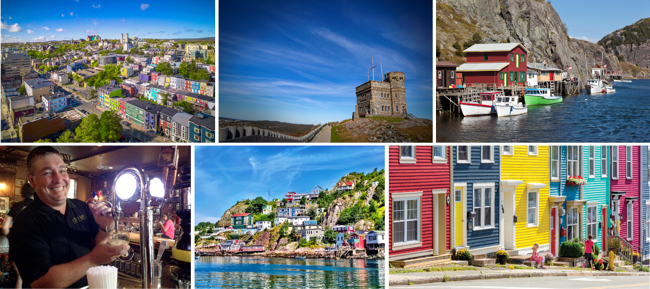
St. John's is one of the oldest and most easterly cities in North America. Perched on the edge of the Atlantic Ocean, it is defined by its rugged coastline, colourful "Jellybean Row" houses, and a world-class hospitality culture. As a hub for maritime research and North Atlantic history, it provides an inspiring backdrop for our workshop.
Located on the eastern tip of the Avalon Peninsula, St. John's blends 500 years of history with modern charm. Workshop participants will have the opportunity to explore:
- ⛰ Signal Hill Where Marconi received the first transatlantic wireless signal — offering panoramic views of the Narrows and the city.
- 🎵 George Street Famous for its live music venues and a vibrant local culinary scene.
- 🌊 The East Coast Trail Stunning cliff-top hiking paths where icebergs and whales are often visible from shore.
Known as a gateway to the North Atlantic, St. John's is a centre of excellence for ocean sciences and geophysics. Its strategic location and historical significance in transatlantic communication make it a fitting setting for MT3DINV4. The city's unique geological features and proximity to the continental shelf offer a directly relevant environment for our scientific exchange.
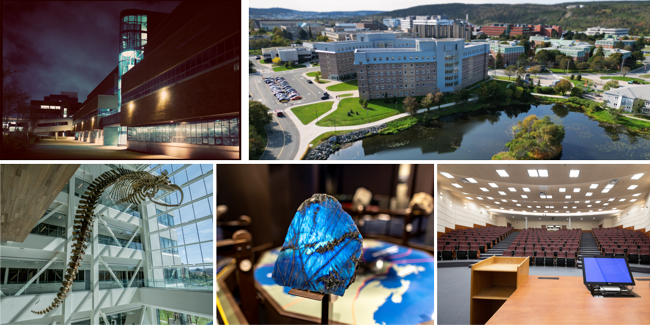
Memorial University of Newfoundland
Memorial University of Newfoundland (MUN) is the largest university in Atlantic Canada and a vital centre for education, research, and innovation. World-renowned for its expertise in ocean sciences, engineering, and sub-arctic research, MUN provides an ideal academic home for this workshop.
The workshop will be hosted by the Department of Earth Sciences, with Professor Colin Farquharson as local host.
We look forward to welcoming you to this unique "City of Legends" for MT3DINV4. Further information regarding travel and accommodation is available on the official EMIW 2026 webpage, which covers the conference taking place immediately after our workshop.
Travel & accommodation info at EMIW 2026